The Concertina
About the Tune
'The Concertina' is a traditional Irish tune, often described as easy to learn and fun to play. It is considered a straightforward reel, sometimes jokingly referred to as the "two-note reel." The tune stays within a range of just one octave.
Origin and History:
The tune is associated with Willie Clancy (1918-1973), an Irish traditional musician. According to research in "The Dance Music of Willie Clancy," his mother, Ellen Killeen, played it on the concertina, possibly as early as the late 1800s. It does not appear in early collections of Irish music. Willie Clancy played the tune in the key of G, learned from his mother.
Musical Features:
The tune's structure features repeating phrases. In the second half, most sections are recycled from the first. A common performance practice involves sliding up to the B notes in the third and fourth measures of each part. Some players, particularly those playing the B/C box, use the outside pull E for the d-e-d triplets.
Alternative Names and Anecdotes:
A North of Ireland tradition gives it the nickname "The Farting Badger," referring to the sound of the repeated triplets when played with a certain technique. Noel Hill, a concertina player, suggests playing the tune in the key of C, which some find works better on instruments like the banjo.
Popularity & Performance:
This tune has been played by numerous musicians, including Seamus Egan (pipes), Shannon Heaton (flute), and Noel Hill (concertina). It's commonly used as a beginner tune for fiddle students. Some people enjoy playing it quickly, although this is discouraged in session settings.
Please Note: Some information, such as the exact origin or meaning behind the nickname "The Farting Badger," is based on anecdotal accounts and may be local folklore.
Start Playing Today
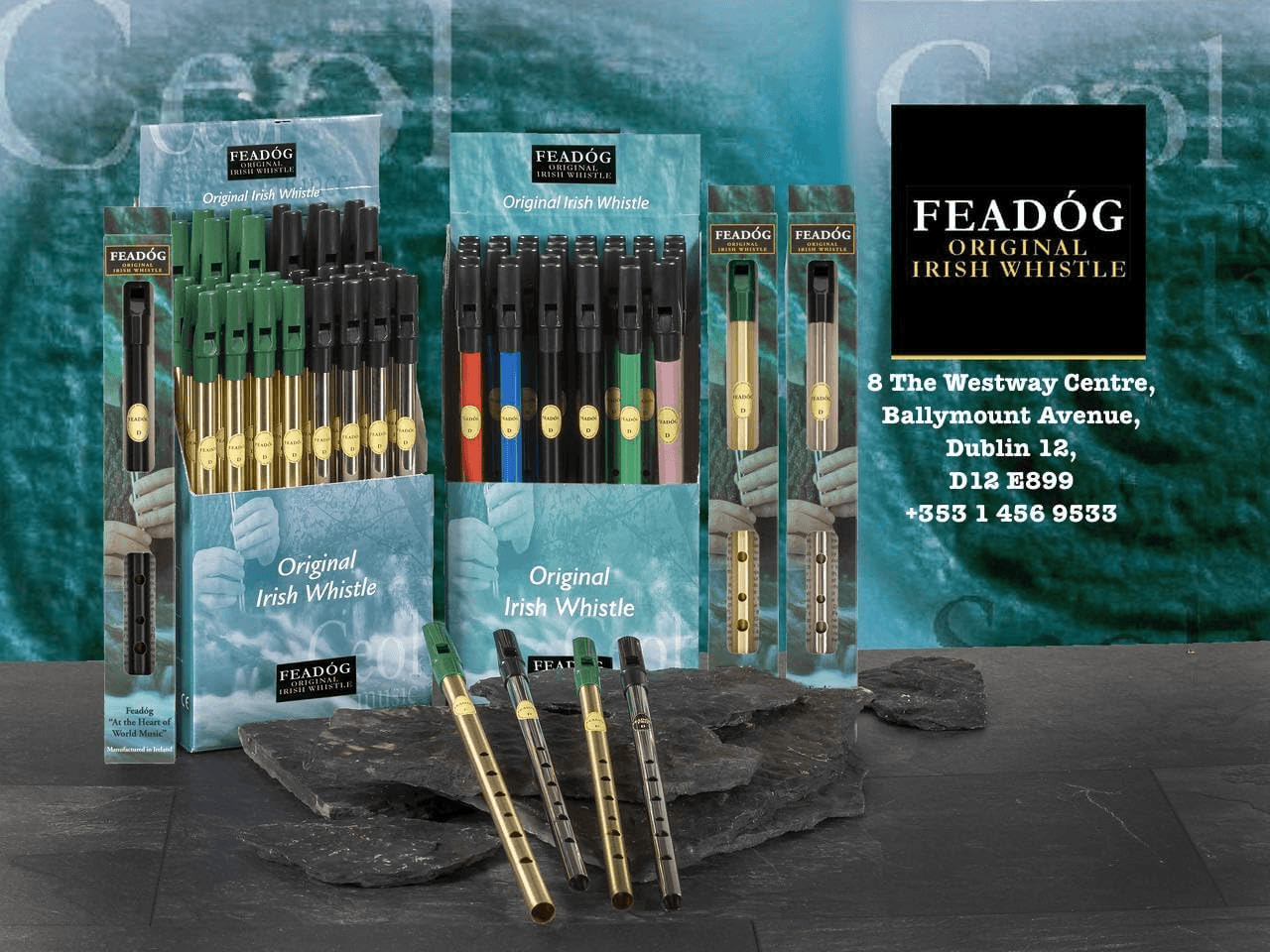
Feadóg Original Irish Tin whistle
This is the Tin Whistle I have and it has never done me wrong. I even got one for my Son and he absolutely loves it. It comes with a book to really help any beginner along in their journey of playing Trad. But it's also a great Tin Whistle for any musician, whatever your experience.
Listen and Learn the Tune:
Tunes to Try Next
Disclaimer: Much of this tune background is hard to trace, and some details remain speculative. These summaries draw on trad community discussion and other available sources, and will be updated as better verified information emerges. If you spot an error or have confirmed information to add, please get in touch and I'll update the site.