The Foxhunters
About the Tune
'The Foxhunters' is a popular Irish tune often played at sessions. It's generally considered to be best suited for fiddle, banjo, and other instruments like the mandolin.
Key and Difficulty:
- Most players find it sounds best in the key of A. However, playing it in A can be tricky on instruments like the whistle and flute.
- Playing in G can be more challenging, particularly for mandolin players.
- Some players use a unique tuning (AEAE) on the fiddle, which creates a rich, ringing sound – a common practice in Cape Breton.
Variations & Performance:
- Some performers sometimes omit the first part of the tune after the first playing, replacing it with the final part. Whether this is an intentional variation or a mistake is debated.
- The tune has been recorded by musicians like James Kelly and Sean Keane.
- It’s often played very fast on the banjo and pairs well with guitar chords in A major.
- Some groups, like the Tulla Ceili Band, play it in G.
- It’s common for groups to play it in G, then shift to A.
- In some areas, particularly around Dingle, the tune is frequently played as part of a set, sometimes following “The Bucks of Oranmore.”
Origin and Tradition:
- Some believe fiddler Paddy Kelly of Co. Clare introduced the tune in A.
- A detailed transcription of the tune in A appears in Breandan Breathnach’s 1971 book, “Folkmusic And Dances of Ireland”.
- It is sometimes associated with the sound of hunting, with listeners encouraged to "make the dogs bark."
Note: Due to varied opinions and regional preferences, there’s no single “correct” way to play ‘The Foxhunters.’
Start Playing Today
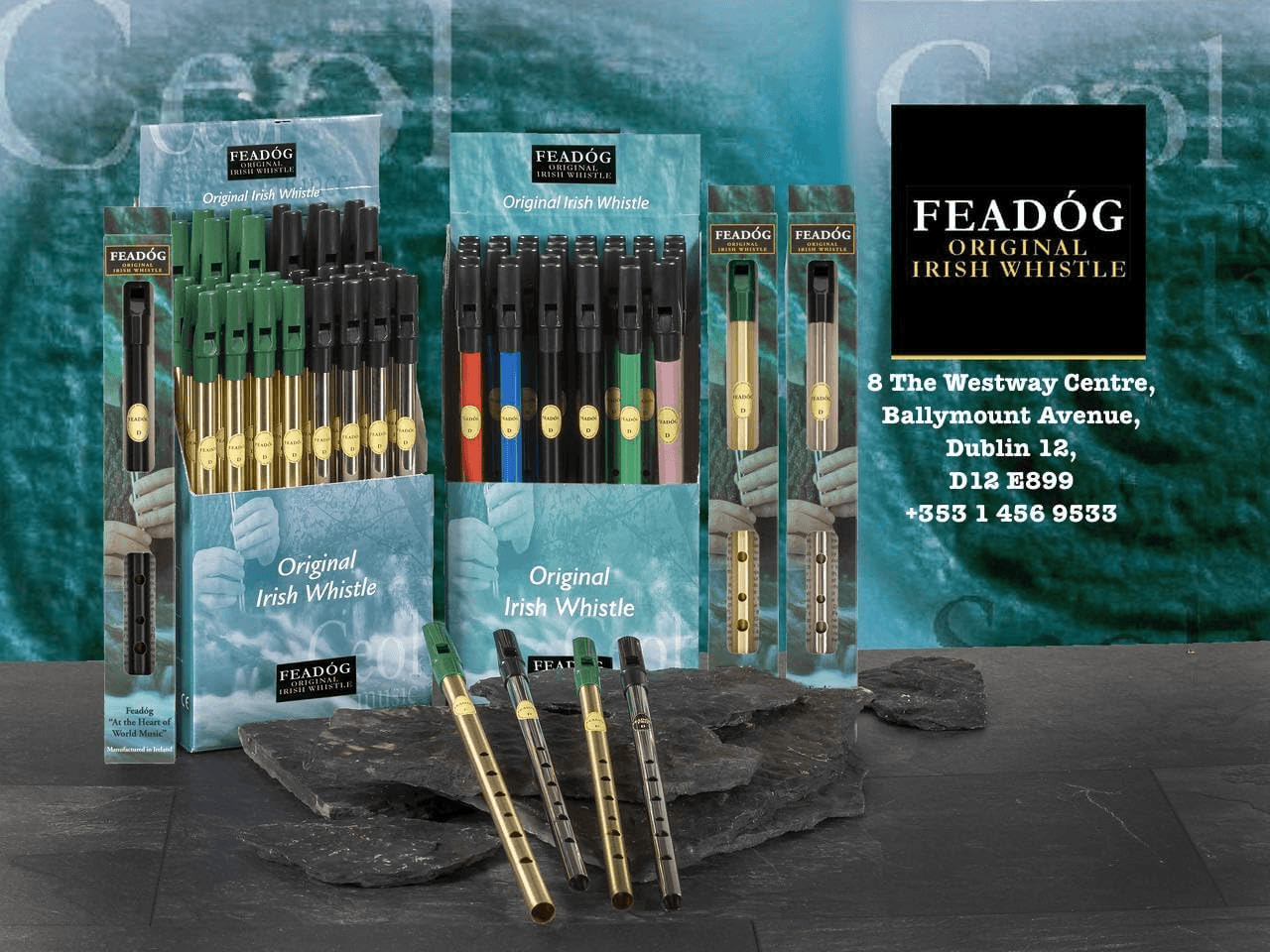
Feadóg Original Irish Tin whistle
This is the Tin Whistle I have and it has never done me wrong. I even got one for my Son and he absolutely loves it. It comes with a book to really help any beginner along in their journey of playing Trad. But it's also a great Tin Whistle for any musician, whatever your experience.
Listen and Learn the Tune:
Tunes to Try Next
Disclaimer: Much of this tune background is hard to trace, and some details remain speculative. These summaries draw on trad community discussion and other available sources, and will be updated as better verified information emerges. If you spot an error or have confirmed information to add, please get in touch and I'll update the site.