John Ryan's
About the Tune
"John Ryan's" is a widely played tune in traditional Irish music. It's often played at the end of a set of polkas.
What it's Called:
The tune has many names, including:
- "John Ryan’s" (most common)
- “Ryan’s”
- "The Keadue Polka"
- “Sean Ryan’s Polka”
- "Dum Dum"
- “Dum-Dum Diddle-Liddle”
- “Forty Pound Float” (especially in Australia and New Zealand)
- "Irish Saffron" (reportedly used in a military band performance)
It appeared in a 1979 publication called "Begged Borrowed and Stolen" under the title “Forty Pound Float,” possibly due to confusion with a different tune.
Who is John Ryan?
It's unclear exactly who John Ryan was. One possibility is a musician from Mallow, County Cork, who played the fiddle.
How it's Played:
- Many musicians play a short, humorous solo at the beginning of the tune.
- Guitarists often play a characteristic "Dang Dang" chord progression on the first, third, and fifth bars.
- Some sessions include a playful variation where different people take turns improvising on the tune.
- Sometimes it is played responsorially, with a soloist “calling” a phrase and the group “answering.”
Where You Might Hear It:
- Titanic films
- Gerry McFadden’s piping albums
- The children’s television show *Bluey*
- Renaissance fairs (as part of a set with "Peg Ryan")
- Queen Elizabeth’s jubilee parade
Musical Variations:
There are many recorded versions of the tune, with some differing in the second half.
Online Resources:
You can find recordings and sheet music online at sites like TheSession.org and on YouTube.
Start Playing Today
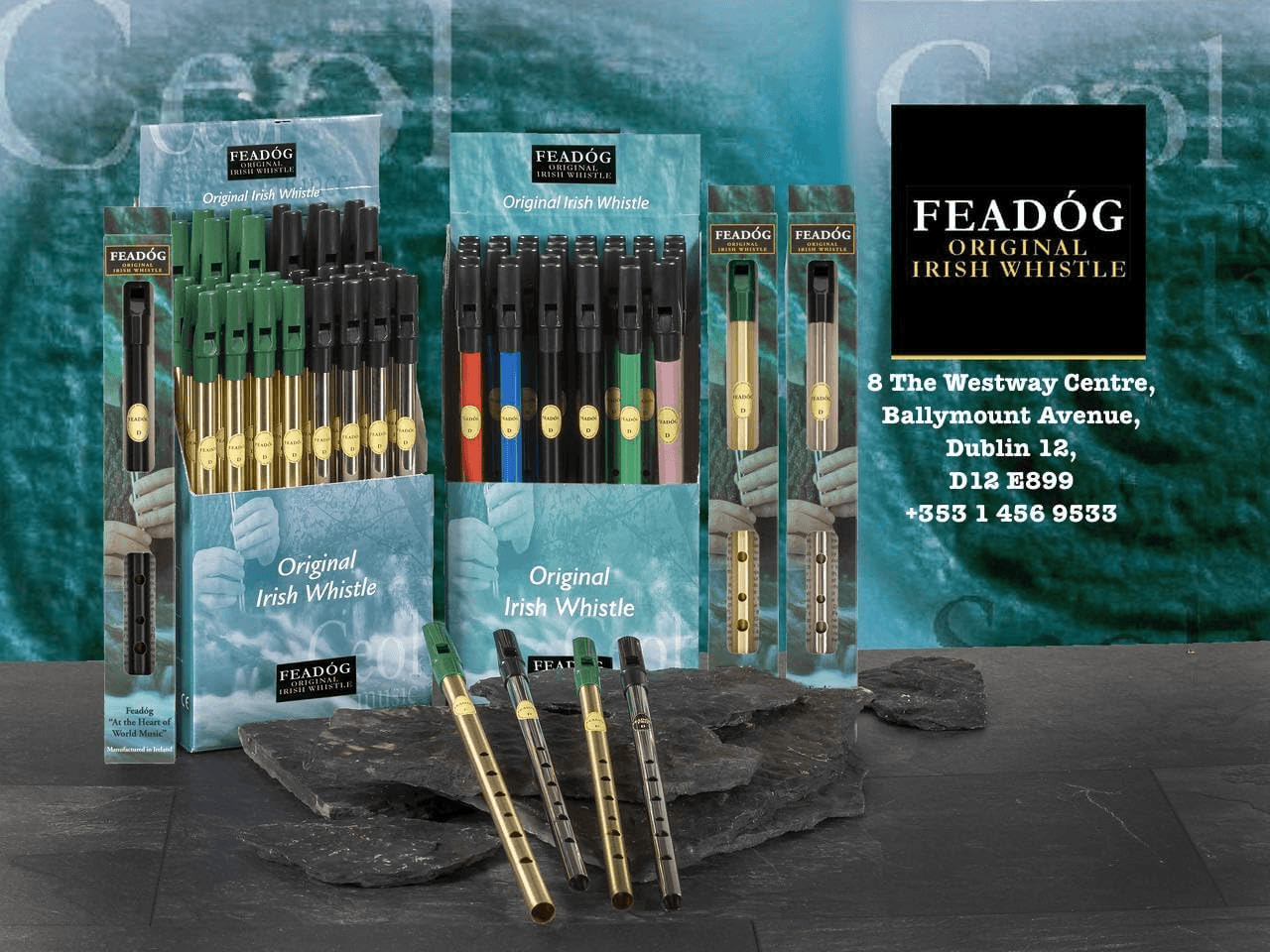
Feadóg Original Irish Tin whistle
This is the Tin Whistle I have and it has never done me wrong. I even got one for my Son and he absolutely loves it. It comes with a book to really help any beginner along in their journey of playing Trad. But it's also a great Tin Whistle for any musician, whatever your experience.
Listen and Learn the Tune:
Tunes to Try Next
Disclaimer: Much of this tune background is hard to trace, and some details remain speculative. These summaries draw on trad community discussion and other available sources, and will be updated as better verified information emerges. If you spot an error or have confirmed information to add, please get in touch and I'll update the site.