The Little Beggarman
About the Tune
"The Little Beggarman," also sometimes called "Danny Pearl's Favorite," is a tune played by musicians in several countries. It can be played as a hornpipe.
How It's Played:
- Key & Style: It's most often played in G mixolydian or A mixolydian. Some players modify it, occasionally playing the F as F# in some bars. There’s disagreement on how it's notated, with some players arguing about the presence of G# notes and piano parts.
- Tempo: In Rhode Island, it's often played slower than some recorded versions, leading into "The Merry Blacksmith."
- Variations: It can also be played as a reel or a barndance. In some areas, it is played swung.
Origins & Names:
- The tune’s origins are debated, with speculation of Scottish roots and connections to a tune called “Gilderoy.” It is also sometimes linked to Scottish songs about a “red-haired boy.”
- After journalist Danny Pearl was tragically killed, musicians began using "Danny Pearl's Favorite" as an alternate title to honor him. This practice followed a pattern of naming tunes in memory of people.
Regional Variations:
- Rhode Island: Played slower, leading to "The Merry Blacksmith."
- Bristol, England: Some players believe it has Scottish origins.
- Allegheny Region (USA): Known as “Red Haired Boy” in a major key and “Gilderoy” in a minor key.
- Australia: A group once performed the tune with accompanying lyrics called “Jolly Swaggie.”
- Newfoundland: Played with a particular style.
- Bluegrass/Old-Time Sessions: Often played by guitarists who learned it from Doc Watson.
Associated Songs and Tunes:
- Lyrics exist for the song “The Little Beggarman,” with versions sung by Jolly Roger and Sarah Makem.
- Paddy Doran plays it as “Roving Journeyman” with vocals.
- It is sometimes played after "Mason's."
- It is related to "The Parting Glass" and “The Peacock’s Feathers.”
Note: There is ongoing discussion about the tune’s proper notation, key, and tempo.
Start Playing Today
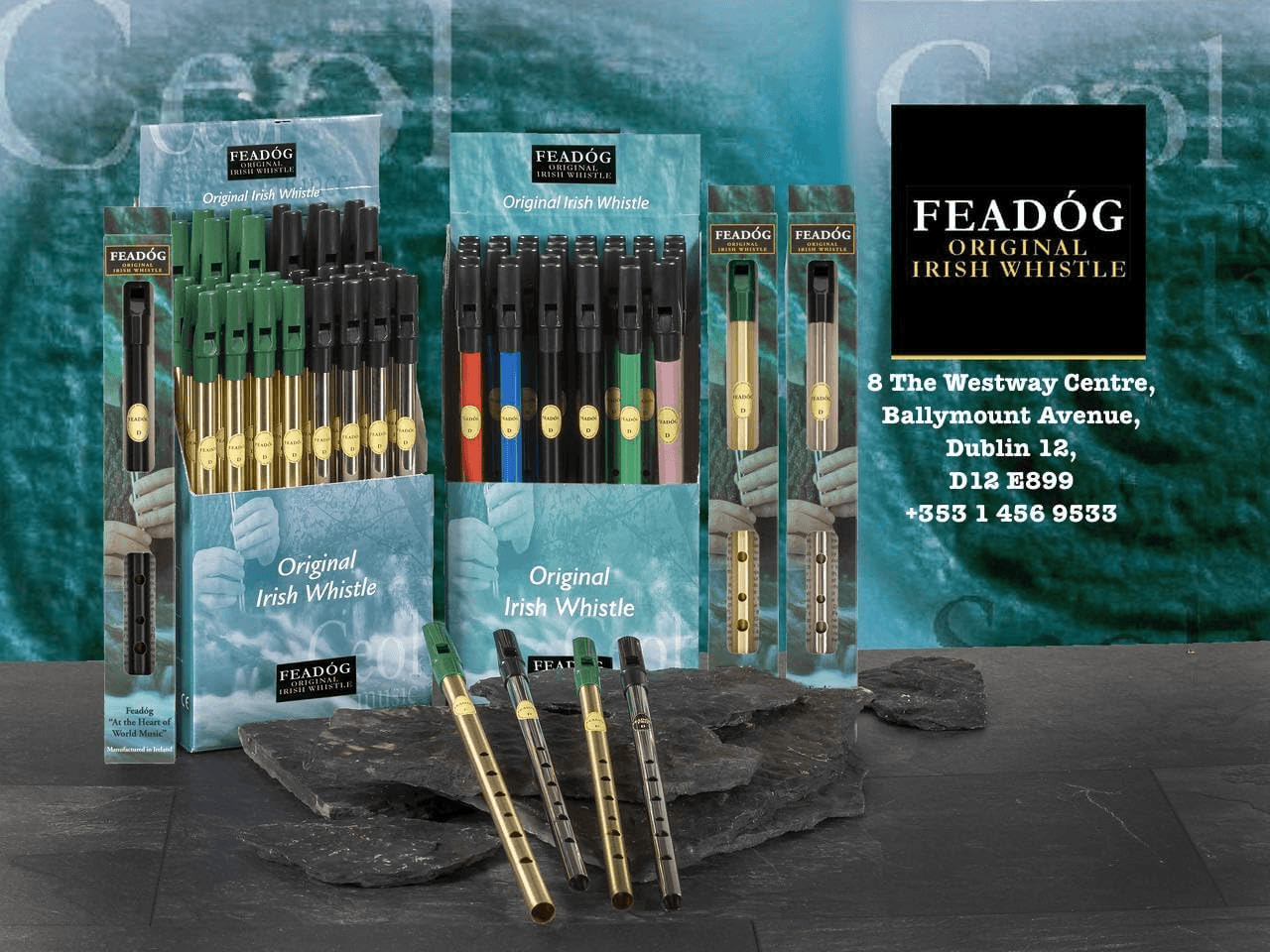
Feadóg Original Irish Tin whistle
This is the Tin Whistle I have and it has never done me wrong. I even got one for my Son and he absolutely loves it. It comes with a book to really help any beginner along in their journey of playing Trad. But it's also a great Tin Whistle for any musician, whatever your experience.
Listen and Learn the Tune:
Tunes to Try Next
Disclaimer: Much of this tune background is hard to trace, and some details remain speculative. These summaries draw on trad community discussion and other available sources, and will be updated as better verified information emerges. If you spot an error or have confirmed information to add, please get in touch and I'll update the site.