The Ships Are Sailing
About the Tune
'The Ships Are Sailing' is a well-known Irish tune that appears frequently in traditional music sessions. It is generally played as a double reel, although some musicians play it as a single reel to reduce repetition.
Origins and History:
- The tune appears in several collections of Irish music, including O’Neill's and Johnny O’Leary's book.
- It was reportedly learned by Jim Coogan, who lived in New York, and played the tune on the accordion approximately 35 years ago. He is the father of Mary Coogan, a member of Cherish the Ladies.
- A version of the tune was heard from Martin Hayes, John Williams, and Eoin O’Neill on a recording supporting the Doolin Coastguards.
Musical Details:
- The tune has multiple versions and settings. One setting is notated as a mixed-mode tune, initially appearing in the key of A minor but with sharped F notes which are simplified to Dorian.
- A specific, sometimes debated, fingering pattern is used in the B part by some players, involving a rapid sequence of notes. Other players feel this can clash with the melody.
- There is a version transcribed as a jig, not a reel, and it can be played before the reel version, or linked with tunes like "Cliffs of Moher" and "Out on the Ocean".
- The fourth setting, in particular, is often mentioned.
- The second part of the tune shares an identical melody with another tune that also circulates in session collections.
- The A part has a note that is normally adjusted to a standard low A.
- It is often paired with "Dash to Portabello".
- It is not the same tune as a Shetland tune called "A' da Ships ir Sailin".
Instrumentation:
The tune is suitable for a range of instruments including whistles, accordions, bouzoukis, concertinas, and other instruments commonly used in traditional Irish music. Franck Medrano has recorded a version played on a C whistle.
Start Playing Today
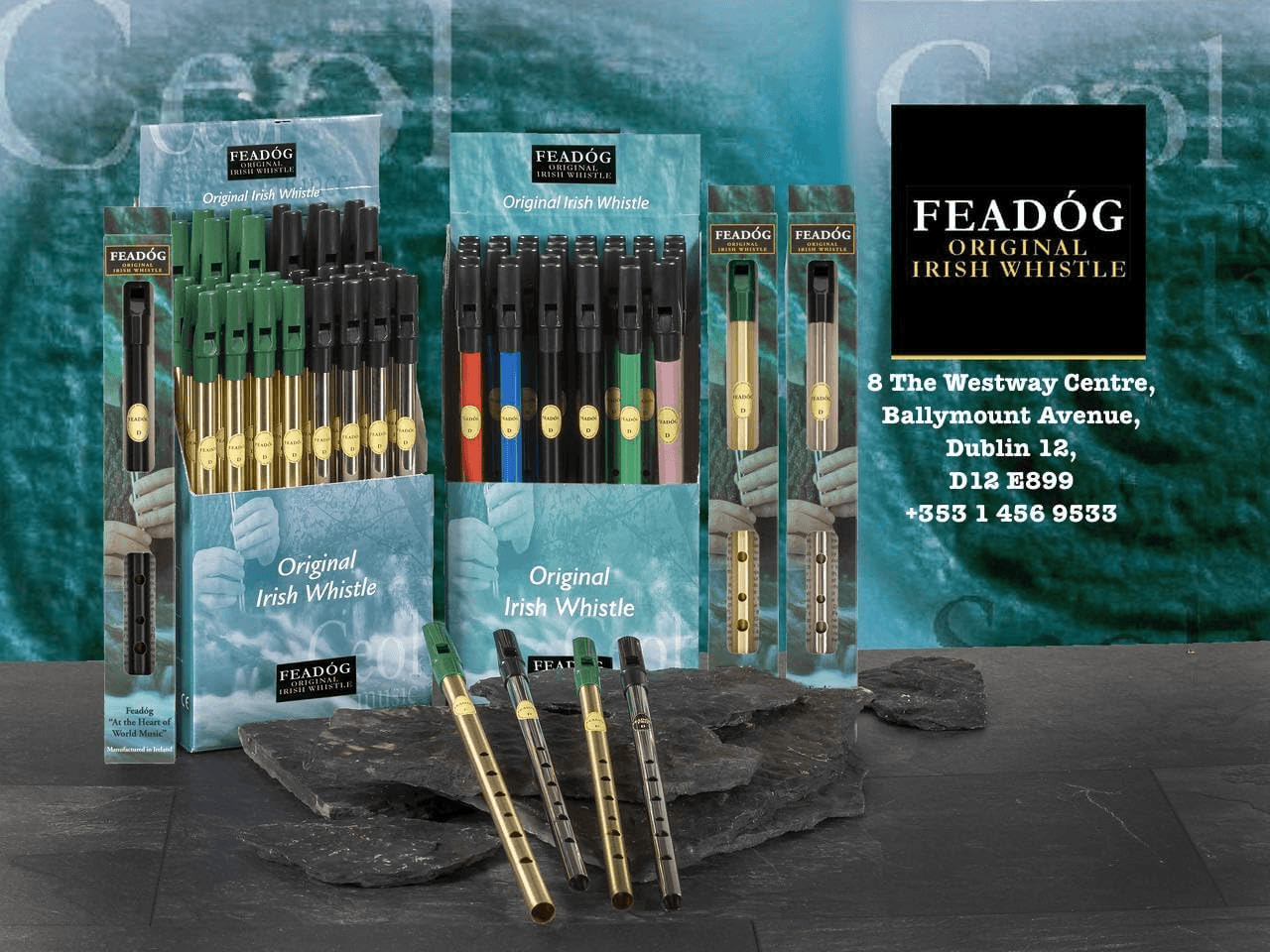
Feadóg Original Irish Tin whistle
This is the Tin Whistle I have and it has never done me wrong. I even got one for my Son and he absolutely loves it. It comes with a book to really help any beginner along in their journey of playing Trad. But it's also a great Tin Whistle for any musician, whatever your experience.
Listen and Learn the Tune:
Tunes to Try Next
Disclaimer: Much of this tune background is hard to trace, and some details remain speculative. These summaries draw on trad community discussion and other available sources, and will be updated as better verified information emerges. If you spot an error or have confirmed information to add, please get in touch and I'll update the site.