The History of the Irish Harp
The Enduring Melody: A History of the Irish Harp
The Irish harp, with its graceful curve and evocative sound, is more than just a musical instrument; it is the enduring emblem of a nation, a symbol of resilience, and a vibrant thread in the rich tapestry of Irish culture. Its history, stretching back over a millennium, is a captivating story of prestige, decline, and powerful revival, echoing the very story of Ireland itself.
Ancient Origins and the Golden Age of the Harper
The harp's presence in Ireland can be traced back to over a thousand years, with depictions found on ancient stone crosses and manuscripts from as early as the 8th century. In the Gaelic society that flourished for centuries, the harper, or cruitire, held a position of high esteem, often second only to the poet. Chieftains and kings retained resident harpers who composed and performed music to commemorate important events, celebrate heroes, and entertain at feasts. This was the golden age of the Gaelic harp, a wire-strung instrument known as the cláirseach. Played with the fingernails, it produced a bright, bell-like, and resonant tone. The skill required to master this instrument was immense, and the most accomplished harpers were revered throughout the land.
One of the most iconic surviving examples of this era is the Trinity College Harp, also known as the Brian Boru Harp. While it does not date back to the time of the High King Brian Boru, this 14th or 15th-century instrument is a treasured national artifact and the model for the official emblem of Ireland.
Decline of a Tradition
The decline of the old Gaelic harp tradition was a gradual process, intrinsically linked to the seismic political and social shifts in Ireland. The Tudor conquest in the 16th century marked a turning point. As English rule sought to suppress Irish culture, the harpers, who were seen as integral to the Gaelic order, became targets. Queen Elizabeth I is said to have issued proclamations to hang harpers and destroy their instruments. During the Cromwellian period in the 17th century, this persecution intensified, with orders to burn harps and organs as an attempt to quell nationalistic sentiment.
The collapse of the Gaelic aristocracy, the traditional patrons of the harpers, further eroded the foundation of this musical tradition. Harpers, once esteemed members of noble households, were forced to become traveling musicians, relying on the generosity of various patrons to survive. By the late 18th century, the ancient art of playing the wire-strung cláirseach was on the brink of extinction.
A Spark of Revival: The Belfast Harp Festival of 1792
As the old tradition faded, a new consciousness and interest in Ireland's cultural heritage began to emerge. A pivotal moment in the history of the Irish harp was the Belfast Harp Festival of 1792. Organized by a group of forward-thinking individuals, the festival's aim was to preserve the ancient music and playing techniques of the Irish harp.
Ten Irish harpers, the youngest aged fifteen and the oldest, Denis Hempson, at ninety-seven, attended the event. A young organist named Edward Bunting was commissioned to transcribe the music played at the festival. His collections of tunes, published in the years that followed, became an invaluable repository of a near-lost musical heritage. Though the festival was in many ways a farewell to the last of the old guard of harpers, it ignited a crucial spark of revival.
The Modern Harp and Its Place in the World Today
The 19th century saw the development of the neo-Irish harp, a gut-strung instrument with levers that allowed for easier key changes. This innovation, pioneered by makers like John Egan, made the harp more accessible to a wider range of players and suitable for a different style of music.
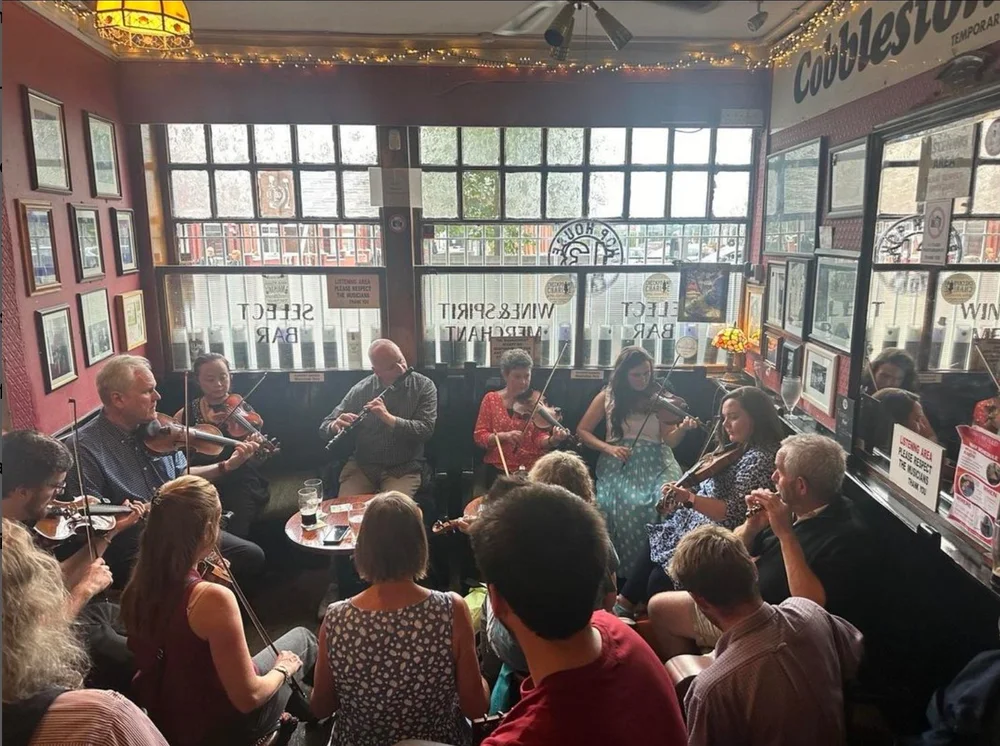
Today, the Irish harp is more popular than ever, with a thriving community of musicians and makers around the world. It is a staple in Irish traditional music, played both as a solo instrument and in ensembles alongside fiddles, flutes, and pipes. Contemporary harpers have pushed the boundaries of the instrument, exploring its use in a variety of genres, from folk and classical to jazz and contemporary music.
Prominent modern players like Laoise Kelly, known for her driving and innovative style, have pioneered a new identity for the Irish harp. Other celebrated artists such as Michael Rooney and Gráinne Hambly are internationally recognized for their mastery and are in high demand as performers and teachers. The late Derek Bell of The Chieftains brought the sound of the Irish harp to a global audience, solidifying its place in the world of Celtic music.
A Symbol of a Nation
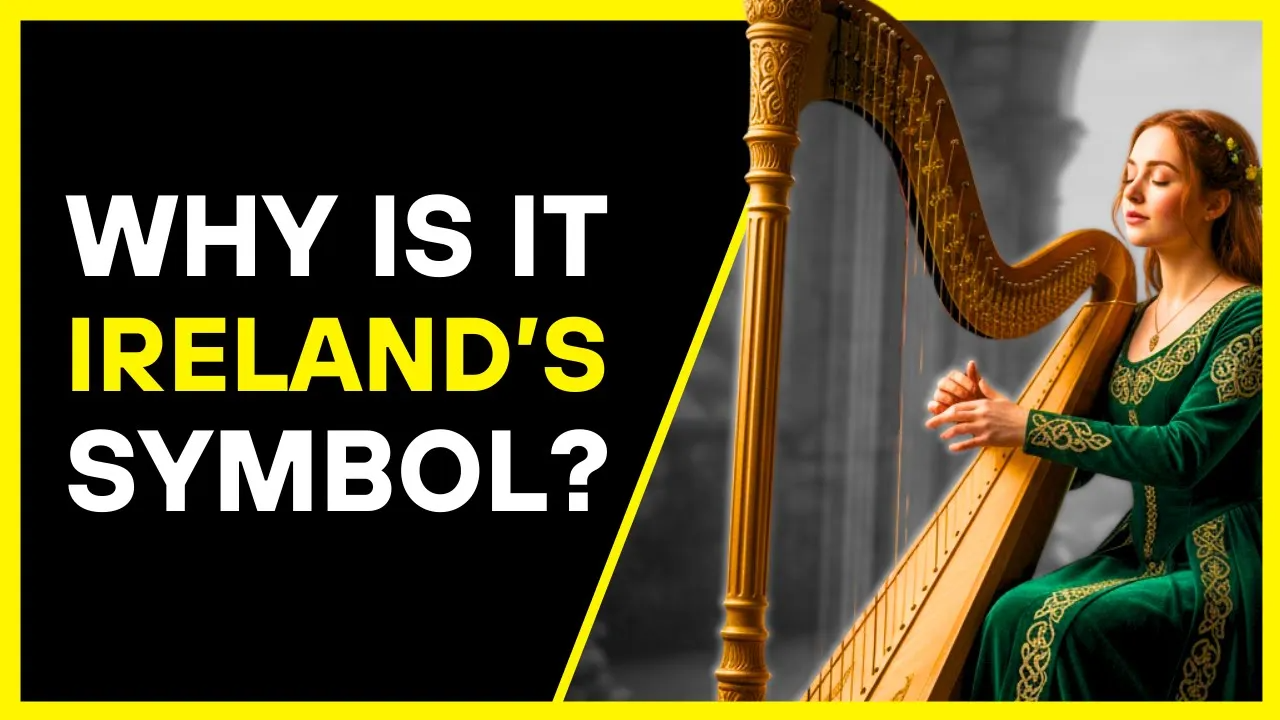
Beyond the concert hall and the recording studio, the harp remains the potent and emotive symbol of Ireland. It is unique in being the only country in the world to have a musical instrument as its national emblem. The elegant silhouette of the harp adorns Irish government documents, passports, and currency. From the presidential standard to the logos of iconic Irish companies, the harp is a ubiquitous and instantly recognizable symbol of Irish identity.
The history of the Irish harp is a testament to the resilience of a culture and the enduring power of music. From the hallowed halls of Gaelic chieftains to the vibrant stages of the modern world, its strings continue to resonate with the spirit of Ireland, a timeless melody that will undoubtedly echo for generations to come.