Sliabh Luachra Regional Style of Irish Music - The Hidden Pulse
What is the Sliabh Luachra Regional Style?
The Sliabh Luachra regional style is a distinctive form of Irish traditional music, deeply tied to the social life and dance traditions of its namesake region. It is characterized by its lively, unpretentious, and dance-forward nature, emphasizing rhythm and drive over elaborate ornamentation. The music is built to be felt and compels movement, focusing on the "groove" rather than flashy techniques.
While the concept of regional styles in Irish music is sometimes debated—with some suggesting it's a 20th-century invention or marketing ploy rather than a pure historical reality—it remains deeply meaningful for many musicians and listeners. The idea that a fiddler's technique and tune choices can reveal their origins is powerfully appealing, giving the music a sense of rootedness and cultural memory. Despite pressures towards homogenization from mass media and universal access, regional styles like Sliabh Luachra are considered by many to be "here to stay".
Where is Sliabh Luachra?
Sliabh Luachra is not a single town or county, but a loosely defined cultural area located in the mountainous, rush-filled uplands where Counties Cork, Kerry, and Limerick interconnect. The name "Sliabh Luachra" itself means "a mountain of rushes," referring to the rushy mountains found in this region. This border area includes specific locations such as the Kerry parishes of Cordal, Brosna, and Gneeveguilla, the town of Rathmore, and the Cork village of Ballydesmond. It's a rugged, rural area that was once relatively isolated, which contributed to the development of its unique style. The exact boundaries of the musical region can be blurry, as the style emerged from people learning by ear and interacting across townlands rather than adhering to strict geographical borders.
What Tune Types are Popular from Here?
Sliabh Luachra is particularly well-known for its polkas and slides, which are very prominent tune types in the area and central to its identity. While reels and jigs are also played, polkas and slides are the characteristic forms of the region.
- Polkas are fast-paced, punchy, and made for dancing, featuring a quick two-beat rhythm and a strong driving pulse.
- Slides, while related to jigs, are lighter and more buoyant, with less swing and more lift. Their phrasing tends to be clean with a noticeable pulse that reflects the dance steps.
These tune types are the backbone of the local tradition, particularly connected to set dancing, where rhythm and drive are prioritized over ornamentation or subtle phrasing. Musicians often group slides and polkas into tidy tune sets that follow local dance patterns. Tunes in Sliabh Luachra also favor major keys and common modes, contributing to a bright and driving sound.
What are the Features of the Sliabh Luachra Style?
The musical style of Sliabh Luachra is distinct from other regional styles like Clare, Donegal, or Sligo:
- Emphasis on Rhythm and Dance: Unlike the more elaborate and expressive playing associated with other regions, Sliabh Luachra's music is tight, bright, and dance-focused. It's built to compel movement and is felt as much as heard.
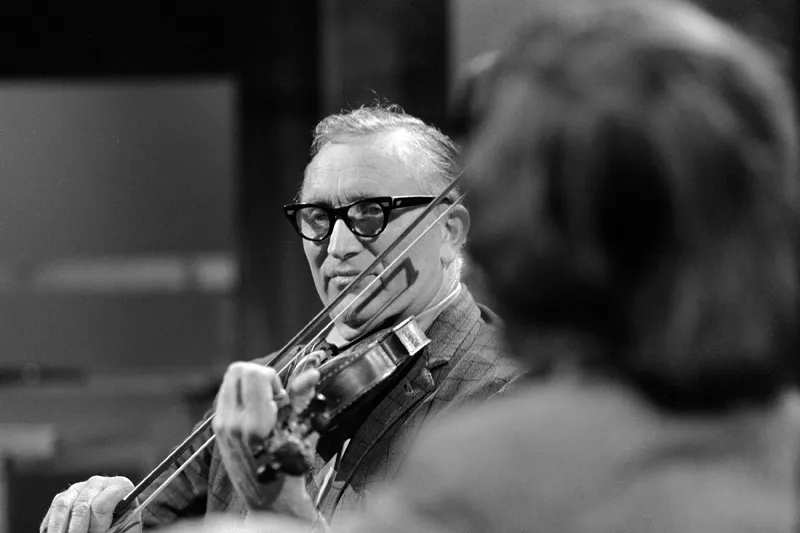
- Fiddle as the Primary Voice: While instruments like the accordion, flute, and whistle play tunes well, the regional style truly comes alive on the fiddle due to its physical and expressive nature.
- Rhythmic Bowing and "Backbeat": Fiddlers in Sliabh Luachra emphasize a distinct backbeat, placing extra weight or lift on the second part of the bow stroke. This subtle but crucial technique creates an internal bounce and a slightly syncopated energy that dancers instinctively respond to. Hannah Harris, an Irish fiddler, offers tutorials on how to achieve this characteristic "Sliabh Luachra polka backbeat" by putting more emphasis on the second half of the bow stroke, pulling faster, and adding more weight to the bow, then lightening the pressure on the string.
- Simple Ornamentation: Compared to the densely ornamented playing of other regions, Sliabh Luachra music is relatively unadorned. The focus is on the melody and the groove, with embellishments often stripped down to maintain tempo and energy.
- Open String Drones and Unison Playing: Fiddlers frequently use open string drones to add resonance. In group settings, fiddlers often double the melody in unison or octaves rather than harmonizing, creating a powerful, unified sound.
- Straightforward and Easy to Follow: This music was made for dancing, designed to be straightforward, rhythm-driven, and easy to pass around at gatherings and sessions. It's not about showing off, but about maintaining a strong, steady pulse for dancers.
Comparing it to other styles:
- Clare tunes are often slower, more expressive, and ornamented, with a lyrical feel, fluid bowing, and an emphasis on emotional nuance.
- Donegal shows Scottish influence, with brisk tempos, a fierce attack, and many separate bow strokes, often played fast and bright with aggressive articulation.
- Sligo, popularized by Michael Coleman, is bouncy and decorative, full of flourishes and technical brilliance.
Who are the Key Players?
Sliabh Luachra's musical heroes defined the style and passed it on through generations:
- Padraig O'Keefe: A legendary fiddler and teacher from Glenflesk in Kerry. He developed a unique fiddle table system and taught dozens of players, preserving the rhythmic sensibility and bowing approach that defined the tradition.
- Dennis Murphy and Julia Clifford: Brother and sister from Lisheen, they were two of O'Keefe's most famous students. Their 1968 album, "Star Above the Garter", is still considered a gold standard of the Sliabh Luachra sound, bringing local tunes to broader audiences without compromising the style's integrity.
- Johnny O'Leary: A box player from Gneeveguilla, he had an enormous repertoire of local polkas and slides and was renowned for keeping hundreds of tunes alive.
- Matt Cranitch: A contemporary fiddler and scholar, known for his fine playing and fiddle books, particularly for slow airs.
- Hannah Harris: An Irish fiddler and singer who produces YouTube tutorials, including an excellent video on the pulse of the Sliabh Luachra style, contributing to the teaching and performance of the tradition for new generations.
What Events are Worth Going To?
The Sliabh Luachra region actively works to preserve and promote its unique musical heritage:
- Sliabh Luachra Music Trail: An organization dedicated to preserving the local music culture.
- Festivals in Scartaglin and Brosna: These events contribute to the ongoing preservation of the tradition.
- Ongoing Recording Projects, Archival Efforts, and Community Concerts: These initiatives make the music accessible to younger musicians and the wider public.
These efforts demonstrate that the Sliabh Luachra style is not just a nostalgic memory but a living tradition, consciously learned and passed on by musicians who tune their ears to its unique backbeat and rhythm-driven spirit. Musicians even beyond Ireland are beginning to appreciate the elegance and drive of this music.