Sligo Regional Style of Irish Music & Michael Coleman’s Influence
Exploring the Sligo Style of Irish Fiddling
Welcome to our page dedicated to the rich tradition of Sligo Style Irish fiddling! This unique and influential musical tradition, deeply rooted in the heartland of County Sligo, Ireland, has captivated audiences and inspired musicians for generations.
What is the Sligo Style?
The Sligo style of fiddle playing emerged in the latter stages of the 19th century in the rural homes of South County Sligo. It developed organically as musicians, friends, and families gathered to share music, shaping tunes and styles into a unique way of playing that became a "badge of identity" for those involved. Renowned teachers such as Philip O’Beirne were crucial in nurturing young musicians and helping them develop their own distinct approaches within this vibrant musical environment.
While famous for its fiddle traditions, the Sligo style is also characterized by a strong partnership between the fiddle and the flute. The flute has even come to dominate the Sligo sound in recent decades, influencing the fiddle playing significantly.
Key Features of Sligo Style
The Sligo style is renowned for its fast, flamboyant, and heavily ornamented approach to fiddle playing. Key characteristics and techniques include:
- Ornamentation: It makes extensive use of fingered "rolls" and bowed triplets. Other ornamentations include "cuts," which are quick, "sneaky" notes that flick in just before a main note. Players often pack a lot of detail into each part of a tune using these elements.
- Legato Triplets: Michael Coleman, in particular, was fond of runs of legato triplets, which create a quite elaborate and flowing sound. This technique helps maintain the flow of the tune.
- Bowing and Rhythm: The bowing in Sligo style is often described as light and even dainty. There's a strong emphasis on achieving great tone and variation while playing the rhythm for the tune, allowing it to "breathe". The rhythm can sometimes be nuanced, with emphasis placed on unusual beats, and tunes can almost "start before they start".
- Melodic Variation & Improvisation: Key exponents like Michael Coleman employed extensive melodic variations. There's an individual nature to the playing, with musicians improvising around the "bare bones" of a tune while still keeping it close to the core version. This often involves going "off the script" and weaving new elements into the tune.
- Pipers' Influence: The style incorporates elements influenced by Uilleann pipers, such as the use of quarter notes or bends, which might sound like a mistake to an unfamiliar ear but are an integral part of the tune's character.
Key Players of Sligo Style
The Sligo style was nurtured by a vibrant community of musicians. Some of the most influential figures include:
- Philip O’Beirne, P.J. McDermott, and John O’Dowd were local musicians who influenced Michael Coleman's early musical development.
- James D. Gannon is noted for having given Michael Coleman fiddle lessons.
- Johnny Gorman, an Uilleann piper, significantly influenced Michael Coleman's formative years.
- Michael Coleman's elder brother, Jim Coleman, also had a high reputation as a fiddler, though he was never recorded.
- The "Sligo Masters" – Defining the Sound in New York:
The style became widely known due in no small part to the commercial recordings of three renowned fiddlers who emigrated to the United States and settled in New York City during the birth and growth of the gramophone industry. Their recordings became defining for generations to come:
- Michael Coleman (1891–1945)
- James Morrison (1891–1947)
- Paddy Killoran (1904–1965) Their influence was so profound that their style of music was handed down through generations of New York fiddle players, leading to the development of what is known as the "New York Sligo Style".
- Later Influential Fiddlers & Teachers:
- Martin Wynne (1913–1998)
- James "Lad" O'Beirne (1911–1980), son of Philip O'Beirne
- Andy McGann (1928–2004)
- Paddy Reynolds
- Fred Finn (d. 1986)
- Peter Horton (flute player, important to Sligo sound)
- Contemporary masters like Declan Folan, Oisin MacDiarmada, Philip Duffy, and Seamie O’Dowd continue to explore and teach the style, having learned from previous generations.
- Other noted players influenced by Coleman include Ben Lennon, Martin Byrnes, and Jean "Ti-Jean" Carignan.
Michael Coleman: The Virtuoso Fiddler
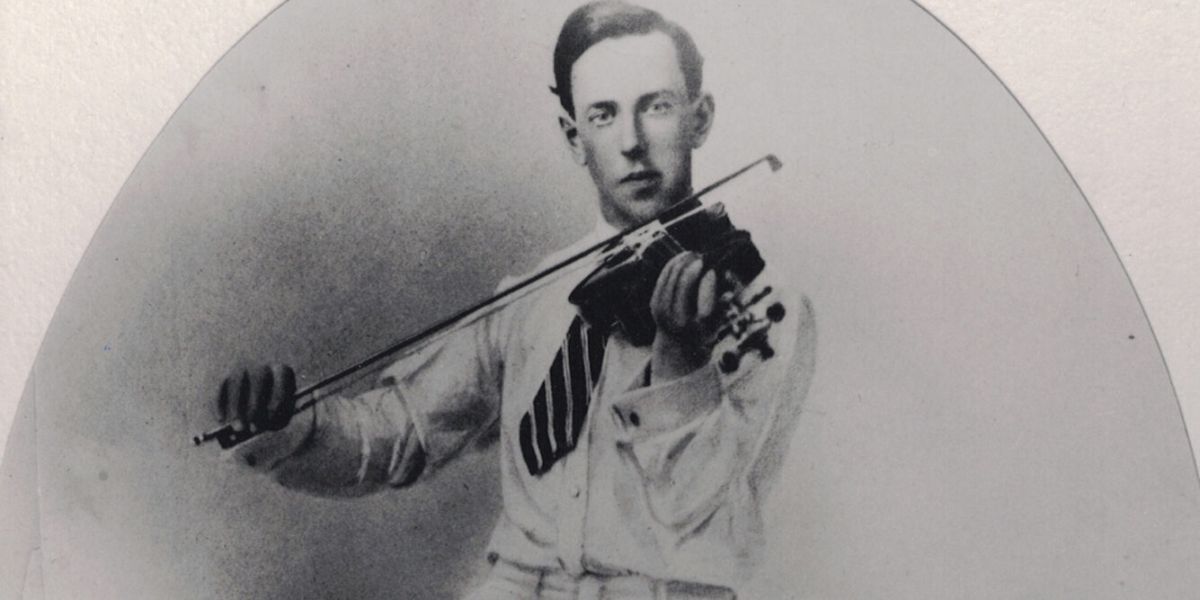
Michael Coleman (1891–1945) was a virtuoso Irish fiddler from County Sligo and is recognized as a major exponent of the Sligo fiddle style.
His Life:
- Birth and Early Life: Born on January 31, 1891, in Knockgrania, in the rural Killavil district, near Ballymote, County Sligo, Ireland. He was the seventh child of James and Beatrice Coleman, and a surviving twin. His father, James, was from County Roscommon and was a respected flute player, whose home became known as "Jamesy Coleman's Music Hall" and a focal point for local musicians. Michael showed a keen interest and ability in both step dancing and fiddle playing from an early age.
- Early Career in Ireland: He left school in 1908 at age 17 and continued pursuing music. He competed at the Sligo Feis Ceoil in both 1909 and 1910, placing joint third on both occasions. In early 1914, he briefly moved to Manchester, England, to live with his older brother Pat, but returned home after several months.
- Immigration to the United States: In October 1914, at the age of 23, Coleman sailed to America with his friend John Hunt. He initially stayed with his aunt in Lowell, Massachusetts, and briefly joined the Keith Theatres vaudeville circuit. This experience performing as a traveling artist, dancing and playing the fiddle, must have significantly informed his showmanship. By 1917, he had settled in New York City and married Marie Fanning, originally from County Monaghan, Ireland, with whom he had one child, Mary.
- Later Life and Death: Michael Coleman died at Knickerbocker Hospital in New York City on January 4, 1945, at the age of 53 or 54. He is buried in St. Raymond's Cemetery in the Bronx, New York.
His Influence on Music:
Michael Coleman's impact on traditional Irish music, particularly fiddle playing, has been substantial and enduring, extending far beyond his lifetime.
- Prolific Recording Artist: Between 1921 and 1936, Coleman recorded eighty commercial 78-rpm records for many major record labels, including Shannon, Vocalion Records, Columbia Records, and Victor Records. His primary accompanists were pianists, but he also recorded with a tenor guitar player, flute players, and a piccolo player. Even after his commercial recordings ceased, he continued to make private recordings, and his final studio recordings were in 1944, though they were never commercially issued.
- Defining the Sligo Style: Coleman was the most famous exponent of the Sligo style. His playing was characterized by extensive melodic variations, and his settings of tunes like "The Boys of the Lough," "Bonny Kate," and "Lord Gordon's" have become standard in the Irish fiddle repertoire. He was also an excellent dancer and performer, even dancing and playing the fiddle at the same time, as confirmed by his daughter.
- A Solo Performer and Innovator: Unlike many other Irish musicians who went to the U.S. and embraced the dance hall band circuit, Coleman largely avoided this scene, choosing to plow a more solo path. He saw himself as a performer and pushed the potential of the fiddle as a solo instrument, refusing to compromise his playing to fit with other musicians. This single-minded pursuit of perfection and virtuosity is evident in his recordings, striking listeners with his showmanship. His complex and intricate playing meant he "never took the easy way out," always introducing variations.
Lasting Legacy:
- Coleman's recordings were widely reissued and imported back to Ireland, heavily influencing a new generation of fiddlers in Sligo and beyond.
- He is considered one of the most influential traditional Irish musicians of the 20th century.
- His influence is clear on subsequent fiddle players such as James "Lad" O'Beirne, Martin Wynne, Andy McGann, Ben Lennon, Martin Byrnes, and Jean "Ti-Jean" Carignan.
- In 1974, the Coleman Traditional Society erected a monument near his birthplace in County Sligo, bearing the inscription: "Michael Coleman. Master of the fiddle. Saviour of Irish traditional music. Born near this spot in 1891. Died in exile 1945.".
- The Coleman Heritage Centre, a music archive and replica of his home, exists near his birthplace, preserving his legacy.
- In March 2015, the U.S. Library of Congress chose Coleman's 1922 Vocalion Records release of "The Boys of the Lough" and "The Humors of Ennistymon" for inclusion in its prestigious National Recording Registry.
- His recordings were also instrumental in keeping the Sligo repertoire alive.