The Athol Highlanders
About the Tune
'The Atholl Highlanders', also known as 'The Duke of Atholl’s March', is a well-known tune originating from Scotland. It’s frequently played by musicians and is often recognized across different musical circles.
Origins and History: The tune was likely originally written as a march for the Duke of Atholl’s regiment, which was a private army in Britain. It has been recorded by groups like "The Boys of the Lough," though some recordings are slower than modern versions.
Musical Style: While initially a march, the tune can be played in different styles. Some people play it as a march, while others prefer a lively jig version. It’s also been adapted into slower, air-like arrangements, sometimes using instruments like fiddle, clarsach (harp), and cello, with one arrangement lasting over 10 minutes.
Structure & Difficulty: The tune is typically played in four parts, with each part based on a repeating theme. A distinctive feature is that each part concludes with the same ending, which makes the tune easier to learn than it might initially seem. The tune generally stays within a range of one octave, although it dips down to a G note in the fourth part.
Key and Tuning: The tune is in the key of A major, although it sometimes appears in A minor, with the seventh note raised to G#. There's ongoing debate about the precise key and mode it should be played in, with some musicians suggesting Mixolydian, while others maintain it's A major. Some players tune their pipes to B natural, while others use concert pitch (Bb).
Popularity and Performance: ‘The Atholl Highlanders’ is a common tune at ceilidhs (traditional Gaelic gatherings), weddings, and musical sessions. It is popular among musicians playing various instruments like the bagpipes, fiddle, accordion, banjo, low whistle, and mandolin. It is commonly played as part of dance sets.
Note: There is a similar tune called "Peggy’s Wedding" and it’s sometimes confused with 'The Atholl Highlanders'.
Start Playing Today
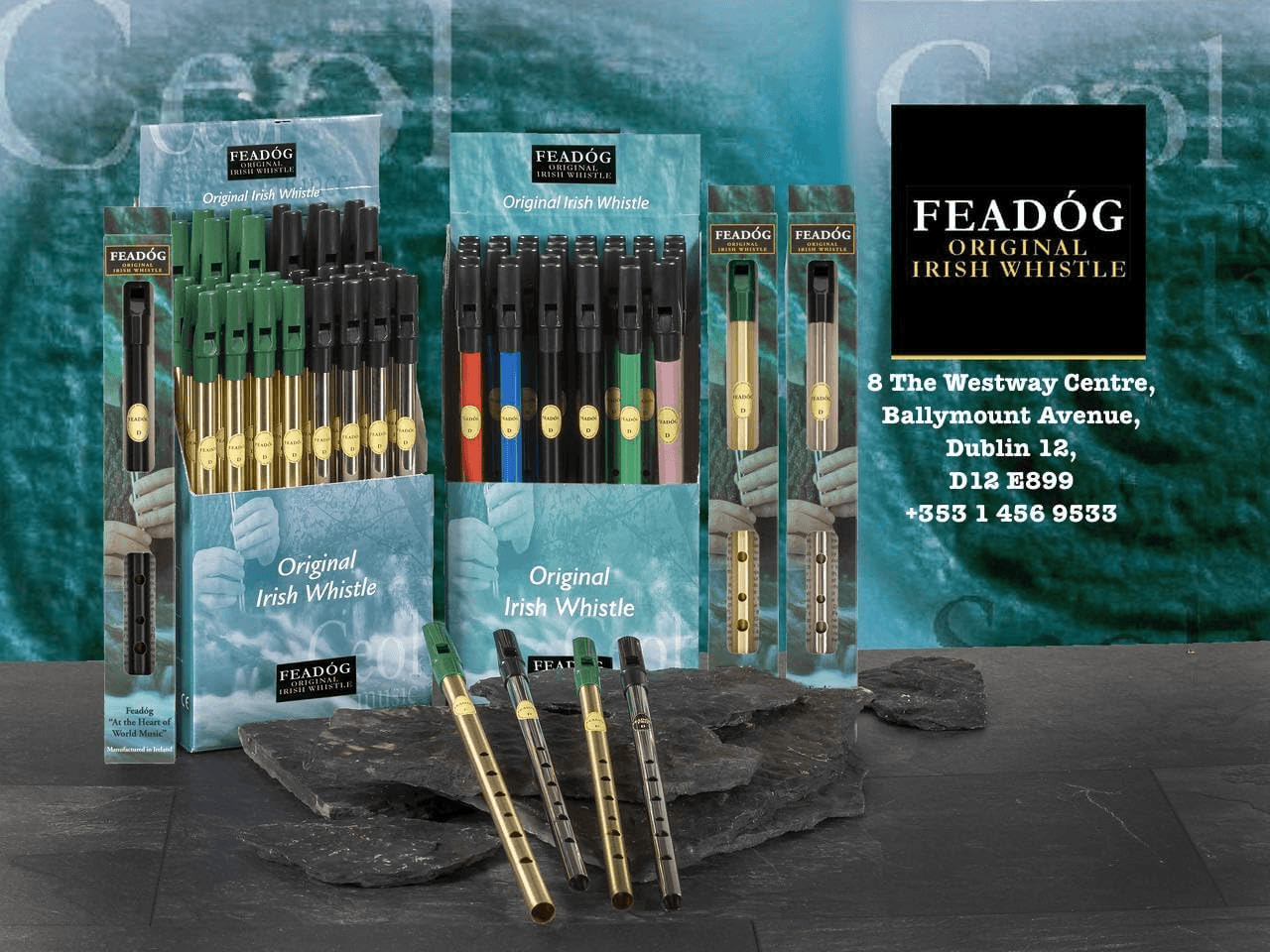
Feadóg Original Irish Tin whistle
This is the Tin Whistle I have and it has never done me wrong. I even got one for my Son and he absolutely loves it. It comes with a book to really help any beginner along in their journey of playing Trad. But it's also a great Tin Whistle for any musician, whatever your experience.
Listen and Learn the Tune:
Tunes to Try Next
Disclaimer: Much of this tune background is hard to trace, and some details remain speculative. These summaries draw on trad community discussion and other available sources, and will be updated as better verified information emerges. If you spot an error or have confirmed information to add, please get in touch and I'll update the site.