Clare Regional Style of Irish Music - The Home of Irish Music
Discover the Soul of Ireland: The Unique Traditional Music of County Clare!
Welcome to County Clare, a place that doesn't just play music—it breathes it! Tucked into Ireland's rugged western coast, Clare holds a near mythical place in the world of traditional Irish music, renowned for its deep well of sessions, signature fiddle sound, and its role as a creative epicenter. It's more than just part of Ireland's musical heritage; it's one of its anchors.
What is the Clare Regional Style?
When people talk about traditional Irish music, they often point to County Clare as "the home of traditional music". This isn't just a matter of local pride or a tourism slogan; the county genuinely pulsates with musical energy. Within the traditional music community, there's a distinct perception of a body of 'Clare music', which knowledgeable members can readily distinguish. It's the place where, if you want to hear traditional Irish music, you go.
At the heart of Clare's unique sound is what's often referred to as the "lonesome touch". This is a quality that's hard to describe but unmistakable when you hear it: slow, spacious, emotional, and rich with feeling—never flashy or hurried. It's characterized by a combination of frequent sliding up to notes and a distinctive use of the untempered scale, particularly with neutral thirds and sevenths, creating a plaintive, wistful, almost bluesy effect.
Defining Features of Clare Music
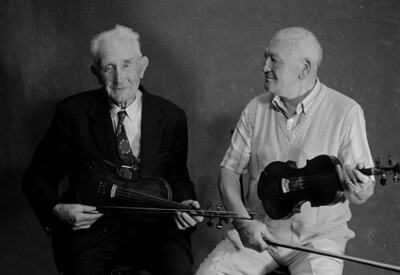
If one sound captures the essence of Clare music, it's the fiddle. County Clare boasts one of the strongest fiddle traditions in Ireland. Here are some of the key features that define this iconic style:
- Slower Tempos: Clare fiddlers are noted for their slower, more expressive tempos. This deliberate pacing allows for greater expression, making the music feel more meditative than purely for dancing.
- Fluid Bowing & Ornamentation: The style features fluid bowing that "breathes," shaping each musical phrase like a voice. Ornamentation, such as rolls, slides, and grace notes, are used to deepen the texture, with a particular emphasis on numerous rolls, including the "trademark double roll" heard in players like Martin Hayes.
- Darker Keys & Resonance: There's a preference for lower, darker sounding keys like G, Gm, C, and Dm. Fiddlers often tune their instruments down to further emphasize this deep, resonant tone.
- Flexible Pitch: A hallmark is the flexible approach to pitch, incorporating sliding notes and "in-between" tones that contribute to the haunting, bluesy edge of the "lonesome touch".
- Sensitive Dynamics: Unlike some traditional styles, Clare music often exhibits sensitive dynamics, a rare but cherished feature.
- Strong Song Tradition: While instrumental music dominates, Clare's song tradition runs deep. Today, most songs are in English due to historical linguistic shifts, but they remain powerful. These ballads are typically rooted in real life stories of immigration, farming, love, loss, and politics, often tied to specific places and people, serving as social records and entertainment. Clare also has a strong tradition of song composition.
- Dance as Core: Dance isn't just a byproduct of music in Clare; it's core to the tradition. Set dances, like the Caledonian, Lancers, and Plain sets, have long been integral to the county's rhythm of life, passed down by traveling dance masters and performed at house dances and local fairs. The mutual dependence between dance and music has allowed both to flourish.
Key Players in Clare's Musical Landscape
Clare's rich musical heritage is built on the contributions of numerous talented individuals and groups:
- Fiddlers:
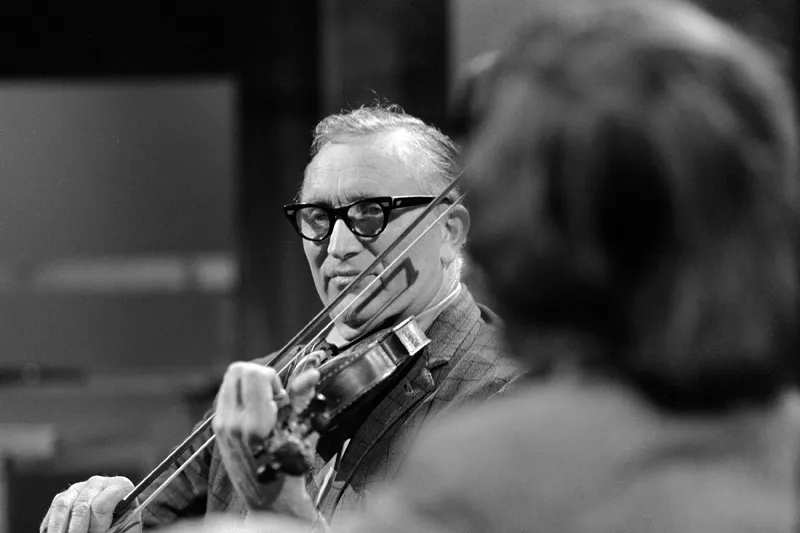
- Paddy Canny (1919-2008): Often spoken of as the epitome of the East Clare fiddle style, his playing had weight, presence, and subtlety, setting a "gold standard". He was a founder member of the legendary Tulla Céilí Band in 1946 and an All-Ireland fiddle champion.
- Martin Hayes: A current star of the Irish scene, Martin Hayes, son of PJ Hayes, took the East Clare legacy to a global audience. His style features long bows, signature double rolls, and a meditative exploration of melodies at slow tempos, deeply embodying the "lonesome touch".
- East Clare Style: Best represented by players like Paddy Canny and Martin Hayes.
- West Clare Style: Notable fiddlers include Bobby Casey, Junior Crehan, Patrick Kelly, and John Kelly.
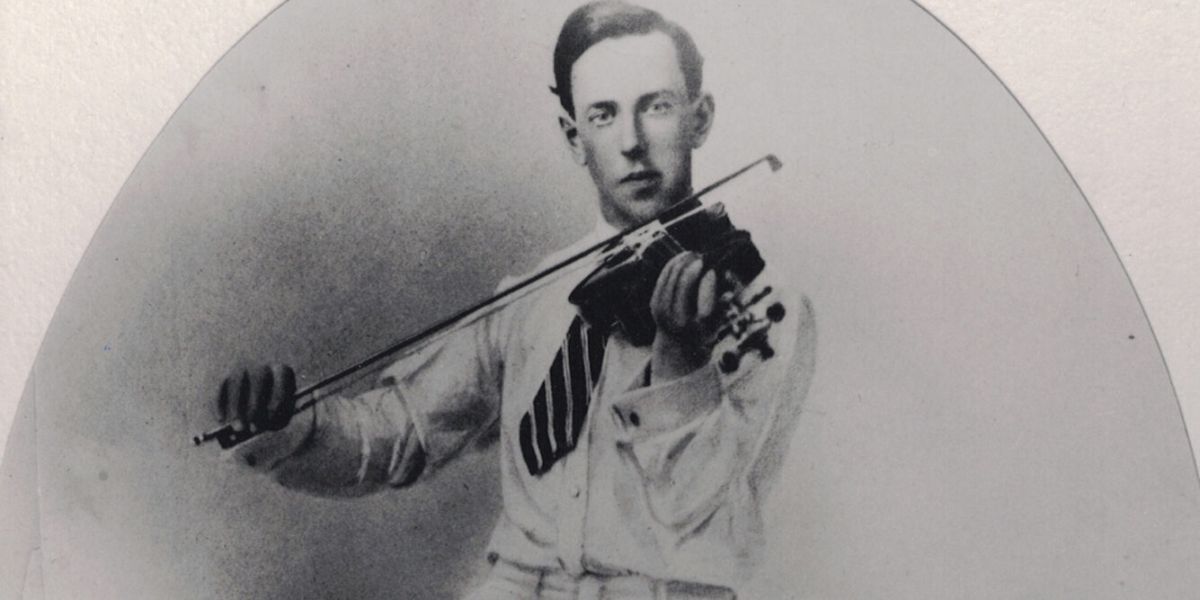
- Historic Figures: Important figures like the blind piper Garrett Barry (1847-1899) and the fiddler George Whelan played crucial roles in developing Clare's musical identity and connecting communities.
- Jack Mulkere: A fiddler and teacher from Galway who settled in Clare, connecting the county's music with South and East Galway traditions and teaching generations of influential musicians.
- Singers & Composers:
- Tom Lenihan (1905-1990): His extensive repertoire of English language songs, recorded by collectors like Tom Munnelly, often referenced local places and events.
- Robbie MacMahon & Tim Dennehy: Active and prolific contemporary song composers, blending humor, insight, and commentary into traditional forms.
- Johnny Patterson (1840-1889): An uilleann piper and well-known song composer from Feakle who toured as a circus performer.
- Bands:
- The Tulla Céilí Band & The Kilfenora Céilí Band: These two bands have a legendary rivalry and have played a huge part in reinventing traditional music in Clare, dominating national competitions. The Kilfenora band even influenced The Johnstons, who learned a jig from their members.
- The Johnstons: A folk group from the 1960s, mentioned in a reunion concert recording, who played traditional and folk songs. Nick Maloney, who went on to America, joined them, and they were celebrated for their harmonies. The concert was also held to honor the memory of Adrian Johnston.
- Céilí Bands (General): Over fifty Céilí bands have existed in Clare over the past century. These groups were central to keeping traditional dance forms alive in public halls.
- Collectors & Teachers:
- Tom Munnelly: Played a significant role in recording the English language song tradition in Clare.
- Neve Parsons: An "extraordinary woman" who supported and contributed to the Johnstons' reunion concert.
- Travelling Dance Masters: Figures like Pat Barron and Thady Casey were vital in passing down set dances in West Clare.
Why Clare is Considered the "Home of Traditional Irish Music"
Clare's status as the heartland of traditional Irish music stems from several factors:
- Unparalleled Musical Density: County Clare boasts more musicians and performance events than any other county in Ireland. Ennis, the county town, is widely recognized as the undoubted session capital of Ireland, with semi-formal music-making occurring in various public houses nightly throughout the year.
- Historical Importance: Music has historically been central to the social life of Clare's rural, farming community, featuring in social gatherings, life events, and day-to-day interactions. House dances were a primary context for performance.
- Community Value & Support: The music plays a larger role in the economic, social, and aesthetic life of Clare than any other music on the island. Local communities place immense value on music and dance practices that have survived. Even the local radio station, Clare FM, dedicates significant airtime to traditional music.
- Resilient Transmission: While traditional learning occurred through family, neighbours, and travelling "master" musicians, Clare's music has adapted. More recently, institutional classes via local music schools and Comhaltas Ceoltoirí Éireann branches have raised the music's profile, particularly in urban centres like Ennis. Summer schools also contribute significantly to education. Despite concerns about formal education "sanding down" regional quirks, the core spirit remains, with the style being passed on by people rather than just geography.
- Innovation and Mediation: Clare musicians were at the forefront of bringing their music to international audiences, notably with the first long-playing vinyl recording of traditional music, All Ireland Champions – Violin (1959), which primarily featured Clare musicians. This innovative presentation and transmission have been instrumental in its success.
- Mutual Dependence of Music and Dance: The continued strong link between music and dance practices in Clare, especially the set dance tradition, has allowed both to flourish, unlike regions where their separation led to a decline.
Important Events to Consider Attending
To truly experience Clare's vibrant musical culture, consider attending these key events:
- The Willie Clancy Summer School (Scoil Samhraidh Willie Clancy): Affectionately known as "Willy-week," this internationally renowned festival, started in 1973, attracts thousands of visitors globally. It focuses on instrumental classes, lectures, and performances, having a huge cultural and economic impact on West Clare.
- Fleadh Nua: Held at the end of May, this is another significant festival on Clare's traditional music calendar.
- Ennis Traditional Festival (Ennis Tradfest): Taking place in November, this festival also draws large crowds and features top traditional music.
- Feakle Music Weekend: This event also offers significant educational opportunities through its music and dance classes.
- Local Pub Sessions: Don't miss the opportunity to experience informal music-making firsthand. Ennis, as the "session capital," offers numerous opportunities to find live music any night of the week.
- Céilí Dances: Participate in or observe a traditional Céilí dance, which remains a predominant form of dance in Clare.
Clare's regional style is far from a relic; it continues to evolve and influence musicians both locally and globally, representing a living tradition shaped by community experience and intergenerational learning. Whether you're a player, listener, or supporter, immersing yourself in Clare's music is a journey into the soul of Irish tradition.