The Most Famous Irish Song?
What’s the Most Famous Irish Song?
It’s a question that’s been knocking around in many a mind, especially if you’ve any grá for Irish music: What’s the most famous Irish song of all time? A simple question—but the answer’s anything but. Picking just one? Not easy. But I’ve had a lash at it.
So, get comfy. I’m going to walk you through a few big hitters across different styles—Trad, Folk, and Modern—before we crown a winner. And I’ll say this straight out: you might not agree with me. That’s grand. It’s half the craic of these things.
First Things First: Context Matters
Let’s be honest—your answer to this will depend on who you are and where you’re from. Are you living in Ireland, surrounded by local tunes and radio favourites? Or are you across the water in the UK, the States, Australia—maybe with a different idea of what counts as “famous”?
Even your age plays a part. And we’ve not even touched genres yet—are we talking trad? Folk ballads? Modern stadium-fillers?
To give this a fair shake, I looked at the big picture. A mix of global reach, historical significance, emotional pull, and that hard-to-define Irishness that runs through it all.
Trad Music: Deep Roots, Big Reels
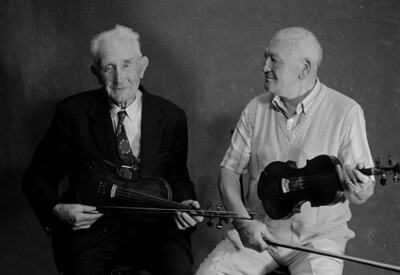
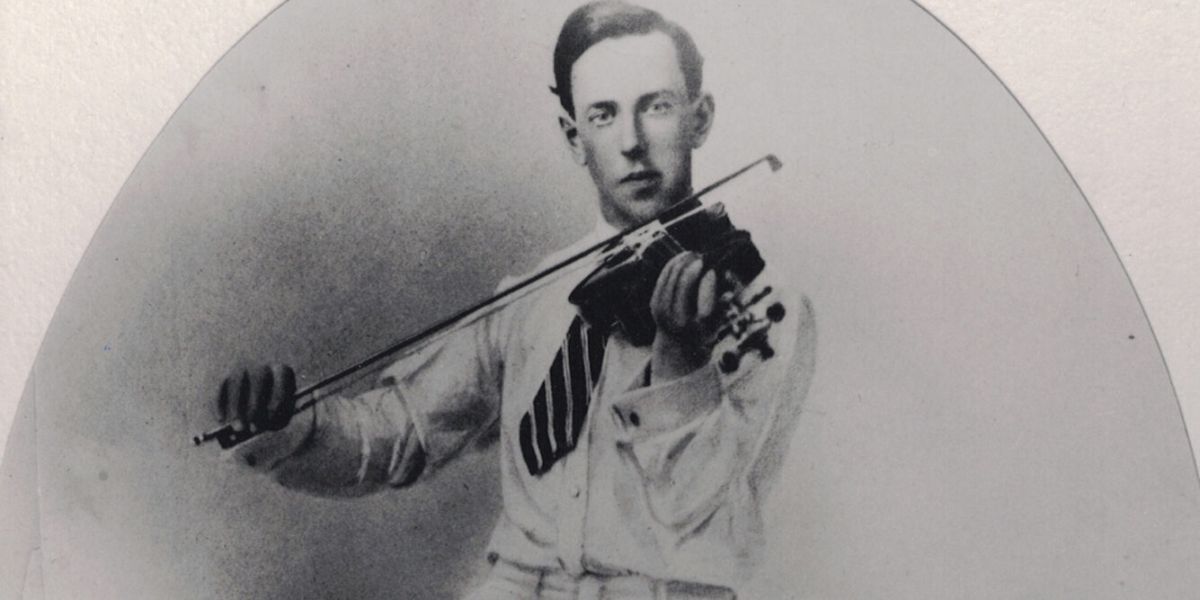
Let’s kick off with the pure drop—traditional Irish music. Most of it’s instrumental. Think jigs, reels, slow airs. And what’s popular can change depending on where you’re from. In Kerry or Cork, you’ll hear more polkas and slides. In Sligo, it’s reels and jigs galore.
For me, three tunes stand out: The Kesh Jig, Britches Full of Stitches, and Drowsy Maggie.
- The Kesh Jig is a rite of passage. Easy to learn, lovely to play, and it even popped up in the third-class dancing scene of Titanic. That film made over $2 billion—safe to say, a lot of people heard the Kesh Jig whether they knew it or not.
- Britches Full of Stitches is a go-to for beginners. If you’ve picked up a fiddle or box, chances are you’ve had a go at it.
- Drowsy Maggie is more of a session favourite. Bit more bite to it, great craic in a group.
Still, if I had to pick just one tune to represent trad on a world stage, it’d be The Kesh Jig. Ubiquitous, recognisable, and rooted in the culture.
Folk Music: Songs With Stories
Now, into folk we go—and here’s where it gets emotional. Folk songs are full of stories, rebellion, love, loss, and longing. Narrowing this down was tough. But three songs rose above the rest: Back Home in Derry, Danny Boy, and The Fields of Athenry.
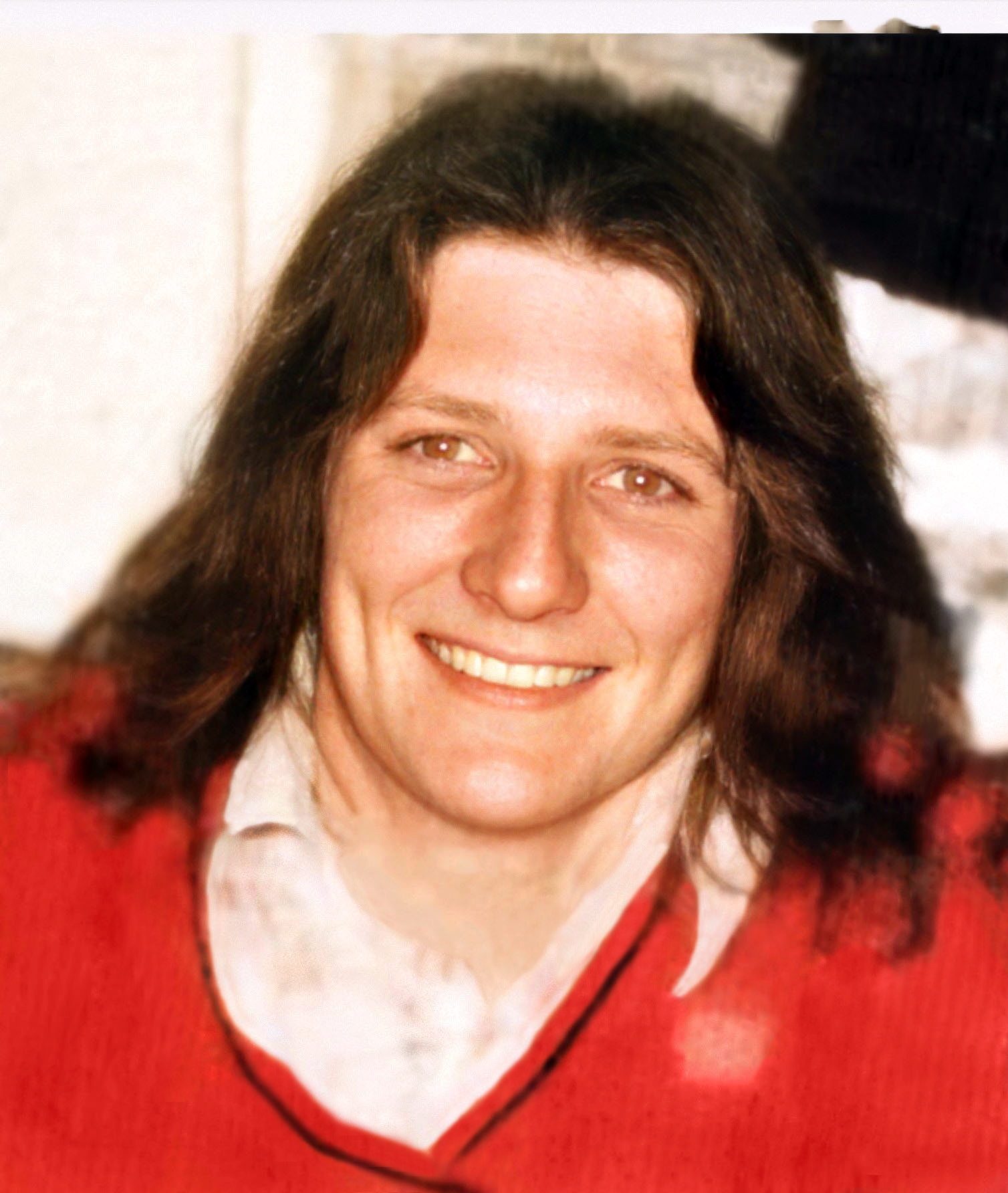
- Back Home in Derry, written by Bobby Sands while in prison during the 1981 hunger strike, and brought to life by Christy Moore, is powerful stuff. Set to the tune of Gordon Lightfoot’s “The Wreck of the Edmund Fitzgerald,” it’s heavy with history and defiance.
- Danny Boy is the tearjerker of the lot. Its roots in the “Londonderry Air” and its themes of love and loss make it popular at funerals, especially among the Irish abroad. It hits the heart.
- The Fields of Athenry is practically our national sporting anthem. Whether we’re winning or losing (usually the latter), the crowd belts it out with pride. The tale behind it—a man sent to Australia during the famine for stealing food to feed his family—still cuts deep.
If we’re going off emotional weight and sheer singalong power, The Fields of Athenry takes the folk crown for me.
Modern Irish Hits: Stadium Soundtracks
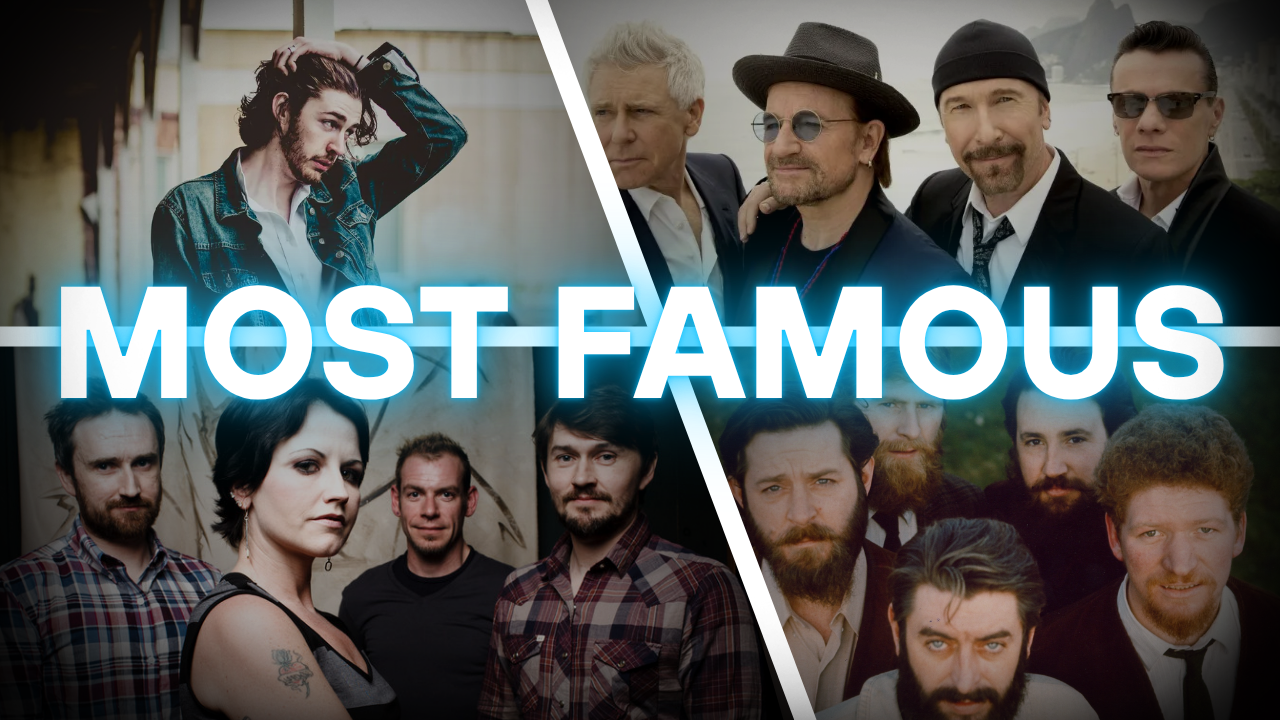
Moving into the rock, pop, and alternative world now—and the competition is fierce. Three massive songs stood out: With or Without You by U2, Zombie by The Cranberries, and Take Me to Church by Hozier.
- Take Me to Church shot Hozier to fame in 2013. It called out religious hypocrisy, especially around LGBTQ+ issues, and resonated hard in Ireland as the country moved toward legalising same-sex marriage.
- With or Without You is U2 at their peak. Released in 1987, it’s all atmosphere and heartbreak. The Edge’s guitar work alone makes it iconic. It’s a staple of their live shows and a milestone in Irish rock.
- Zombie is something else entirely. Written by Dolores O’Riordan in response to the 1993 Warrington bombing, it’s raw, angry, and unforgettable. The Cranberries broke away from their dreamy style and delivered a protest anthem that hit hard across the world.
And here’s where I land: Zombie is the most famous modern Irish song. Its emotional punch, political message, and global reach—even decades on—still resonate. It’s not just a song. It’s a statement.
So, What’s the Verdict?
I know, I know—this wasn’t easy. You could argue for any number of others: Raglan Road, The Rocky Road to Dublin, The Auld Triangle, or even Orinoco Flow if you’re feeling a bit floaty. But when we weigh it all—tradition, story, emotion, reach—there’s one that keeps coming up again and again.
Zombie by The Cranberries.
It’s been played in every corner of the globe. It’s a protest, a eulogy, a banger, and a time capsule. It transcends genre, era, and even Ireland itself.
Agree with me or not, there’s no denying its power.