McIlhatton - Famous Poitín Maker, Made Immortal by Bobby Sands
"McIlhatton": An Irish Folk Song and its Historical Roots
The song "McIlhatton," famously performed by Irish folk singer Christy Moore, holds a significant place in Irish cultural and political history. It is featured on Moore's 1984 album "Ride On" and also appears on his 2002 live album, "Live at Vicar Street," where he was joined by other Irish musicians such as Declan Sinnott and Dónal Lunny. The song's lyrics paint a vivid picture of rural Ireland, focusing on a character known for making illicit spirits.
Bobby Sands: The Songwriter Behind the Bars
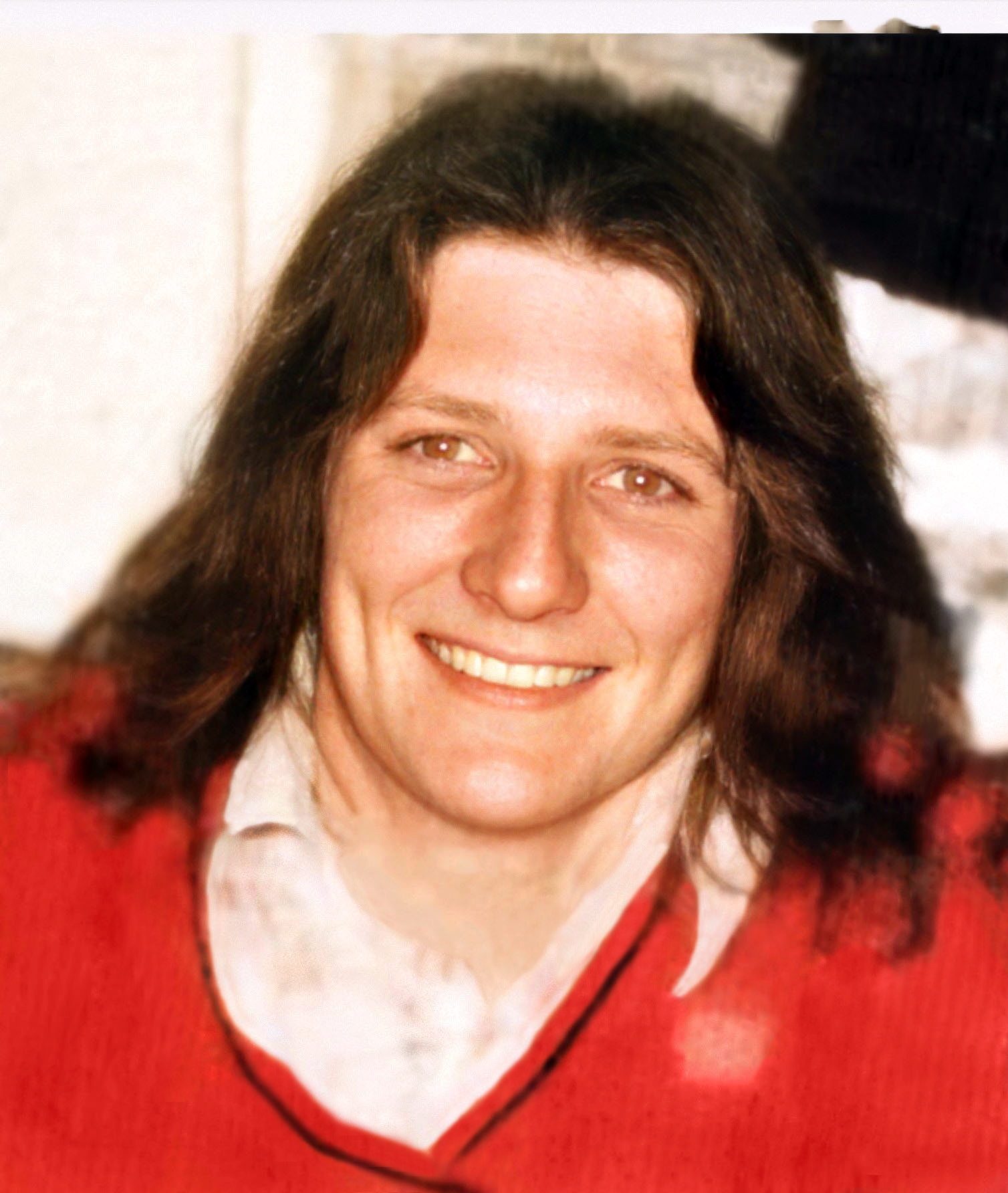
The poignant lyrics for "McIlhatton" were penned by Robert Gerard Sands, commonly known as Bobby Sands. Sands was a member of the Provisional Irish Republican Army (IRA). He wrote "McIlhatton" and other notable songs, such as "Back Home in Derry" (also recorded by Christy Moore), while he was imprisoned. Sands also published articles and letters under the pseudonym "Marcella" (his sister's name), and authored works like Skylark Sing Your Lonely Song and One Day in My Life.
Bobby Sands is most widely recognized for leading the 1981 Irish hunger strike. This protest occurred while he was incarcerated at HM Prison Maze in Northern Ireland. The hunger strikers' primary demand was the restoration of Special Category Status, which would grant them recognition as political prisoners rather than criminals, and free them from ordinary prison regulations. During his strike, Sands was elected to the UK Parliament as an Anti H-Block candidate for Fermanagh and South Tyrone on April 9, 1981, becoming the youngest Member of Parliament at that time. He died without ever taking his seat. In response to his election, the British government introduced the Representation of the People Act 1981, preventing prisoners serving sentences of more than one year from being nominated as candidates in UK elections.
Mickey McIlhatton: The Real-Life Inspiration
The central figure of the song, Mickey McIlhatton, was a real person, a fiddler known for his craft in making poitín, an illicit Irish alcoholic spirit. The song's lyrics mention that he was sent to Crumlin Road jail for his activities. According to the song, Mickey lived in "Glenravel's Glen" and possessed the ability to "cure your shakes with a bottle of his stuff". The lyrics famously ask, "McIlhatton you blurt we need you, cry a million shaking men / Where are your sacks of barley, will your likes be seen again?".
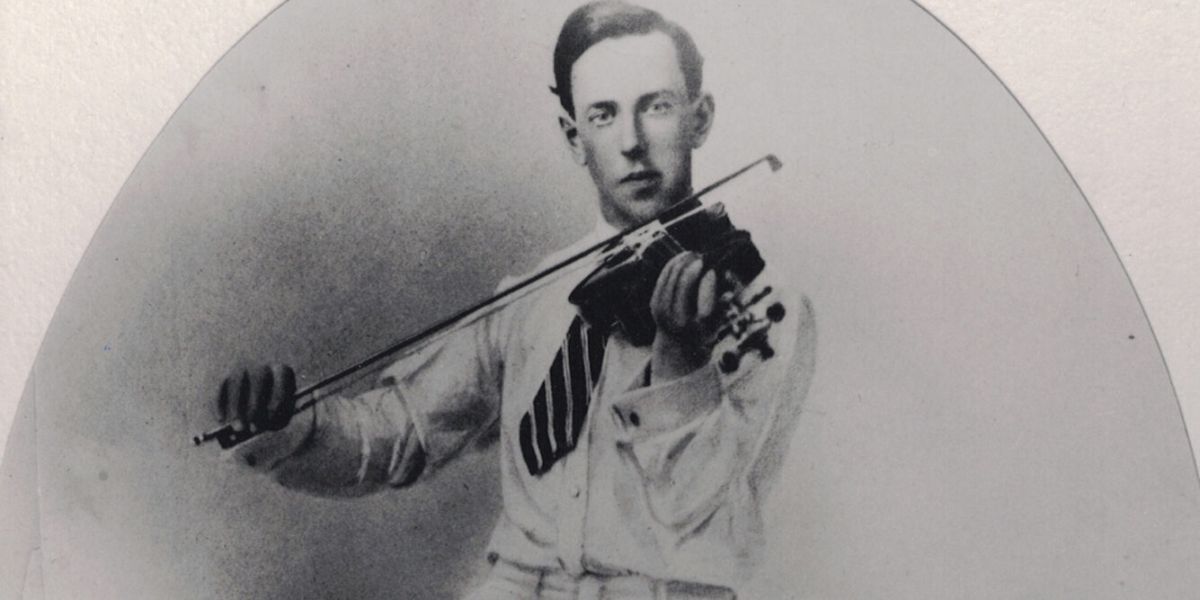
A descendant of Mickey McIlhatton confirmed on Reddit that he was their Great Uncle and hailed from Glenravel, County Antrim. This personal account provides direct evidence of his existence and location. The Reddit user also shared a photo believed to be of Mickey McIlhatton, suggesting he was born in 1898 and the picture dates from the early 1960s when he would have been in his sixties. This image is described as capturing "old rural Ireland in one snap" and his memory as "immortalised".
The song also alludes to the constant threat from authorities, with "the peelers are on the Glen" but they'll "never catch that hackler cos he's not comin' home again," emphasizing his evasiveness. The character of Mickey McIlhatton, the resourceful fiddler and illicit distiller, thus became a symbol of a certain aspect of Irish rural life and quiet defiance, memorialized through Sands's lyrics.
Bobby Sands's Sacrifice and Legacy
Bobby Sands commenced his hunger strike on March 1, 1981, and tragically died on May 5, 1981, in the Maze prison hospital after 66 days without food, at the age of 27. His cause of death was recorded as "starvation, self-imposed". Sands was one of ten hunger strikers who died in 1981, and one of 22 Irish republicans in the 20th century to die on hunger strike.
His death transformed him into a martyr for Irish republicans and ignited several days of rioting in nationalist areas of Northern Ireland. Over 100,000 people attended his funeral. The deaths of Sands and the other hunger strikers led to a significant surge in IRA recruitment and activity, and garnered widespread international media coverage, drawing attention to the republican movement while attracting both praise and criticism globally. Reactions ranged from widespread protests in European cities like Milan and Paris, a minute of silence in the Portuguese Parliament, and the renaming of a street in Tehran, Iran, to Bobby Sands Street. In the United States, opinions were divided, with some honoring his "courage and commitment" and others condemning his "self-imposed suicide".
The story of "McIlhatton" thus intertwines the cultural history of rural Ireland and its traditional practices with the profound political struggle of the Troubles, highlighting the lesser-known creative side of Bobby Sands, whose ultimate sacrifice profoundly impacted Irish republicanism and international perceptions of the conflict.